
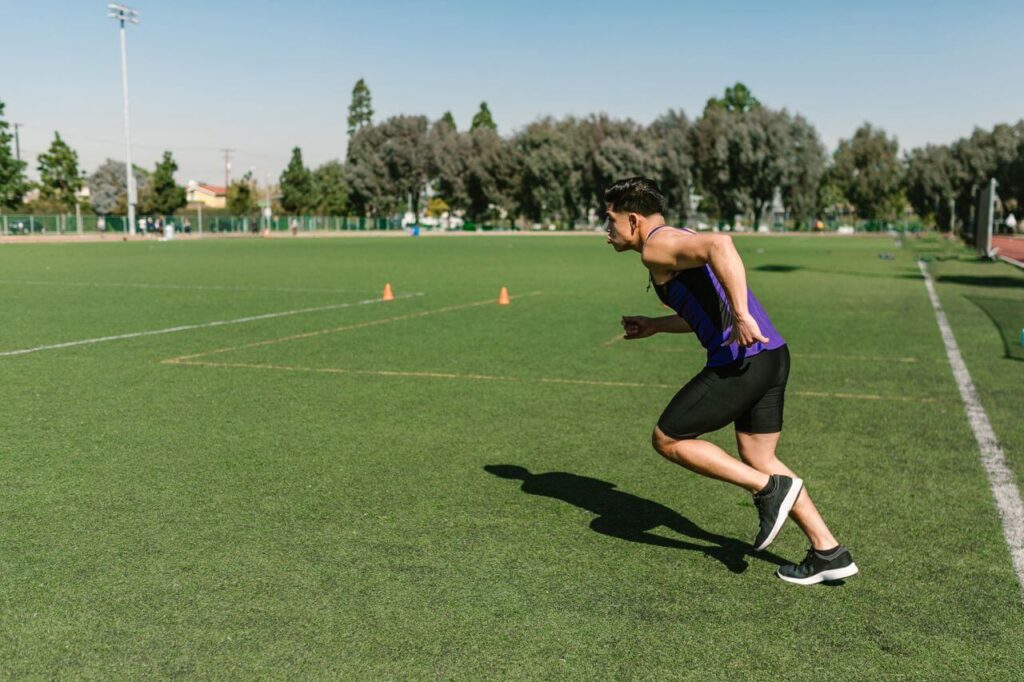
If you are a runner logging miles along the bay or a lifter training hard at a gym in Kearny Mesa, a sports chiropractor in San Diego can help you recover from injury, move better, and get more out of your training.
There is real science behind why this works. Research in the Journal of Manipulative and Physiological Therapeutics found that spinal manipulation affects a range of neurophysiological factors related to athletic performance, with four out of seven trials showing measurable improvements on a sports performance test. When your joints move well and your nervous system is not fighting restriction, your body performs closer to its potential. That is the exact mechanism I work with every time an athlete comes into my practice.
For clinics and wellness practices looking to improve how patients discover them online, learn more about SEO for aesthetic and wellness practices and how local visibility strategies can support better online reach.
Accurate online listings also play an important role in helping local businesses get found. Learn more about local citations and business listings for clinics and how consistent information can improve local discovery.
Most active people push through pain longer than they should. A tight hip flexor leads to a compensating stride, which can turn into a knee problem and eventually cost you time off the activity you love. The problem does not usually fix itself; it just moves somewhere else in the chain.
Below, I will walk you through what my sports chiropractic care involves, who it is right for, and what you can expect when you come in to see me.
What I Actually Do as a Sports Chiropractor
A sports chiropractor focuses on the relationship between your spine, joints, muscles, and movement patterns to help you recover from injury and perform better. This is different from the general chiropractic model, where someone comes in with back pain, gets adjusted, and leaves. My care is built entirely around how your body moves under load and over distance.
When you come in, I am looking at much more than where it hurts. I want to see how your hips load during a squat, how your feet strike during a run, and where your body compensates to protect something that is not moving the way it should. The adjustment is just one tool I use; soft tissue work, movement assessment, and corrective exercise are all part of the picture.
Why San Diego Athletes Need Sport-Specific Care
San Diego athletes train year-round. With mild weather straight through December, there is no natural off-season forcing rest and recovery, and the neighborhoods around North Park are full of people who train hard every single week of the year.
That consistent volume is great for your performance but hard on your body. Overuse injuries, cumulative joint stress, and movement dysfunction tend to build quietly until they become real problems. I built my sport-specific care to catch those patterns early.
Common Issues I See in Runners and Lifters
The athletes I work with come in with a predictable set of problems, even though their sports look very different on the surface. Here is what tends to show up in my clinic and why.
What runners deal with most
Runners here deal with a lot of hills, especially on the climbs around La Jolla, which put extra demand on the hips, knees, and ankles.
- IT band syndrome: Lateral knee pain that tends to appear after a long run, usually tied to hip weakness or poor pelvic control during the stance phase of running.
- Plantar fasciitis: Heel pain that is worst in the morning and after rest, often connected to restricted ankle mobility and calf tightness rather than the foot itself.
- Low back tightness: A common runner complaint that usually traces back to the hip flexors and thoracic spine rather than the lumbar spine alone.
- Knee pain: Often labeled runner’s knee or patellofemoral syndrome, this usually reflects a tracking problem tied to hip or foot mechanics.
What lifters deal with most
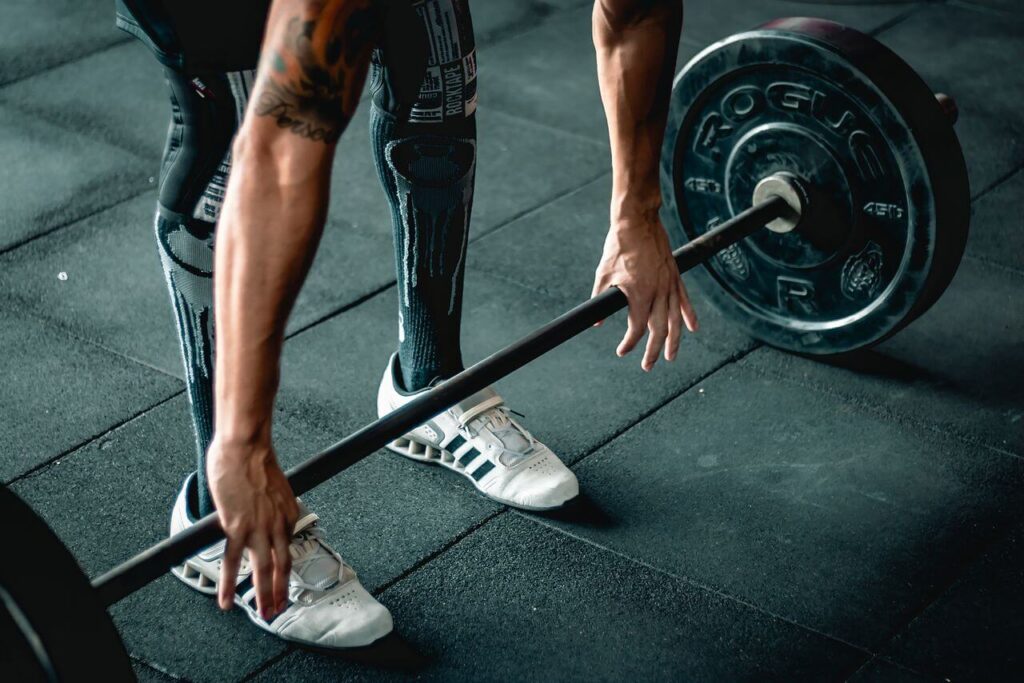
Powerlifters, Olympic lifters, and CrossFit athletes come in with their own patterns. High-load movements like deadlifts, squats, and overhead presses place significant demands on the thoracic spine, shoulders, and hips. The patterns I see most include:
- Shoulder impingement: Pain at the top of the shoulder or during pressing, frequently caused by restricted thoracic mobility forcing the shoulder to compensate.
- Hip flexor pain: Deep groin or hip discomfort during squatting movements, often tied to hip capsule restriction and anterior pelvic tilt.
- Mid-back stiffness: Reduced thoracic rotation that limits both overhead positions and squat depth and shifts stress to the lower back.
- Wrist and elbow issues: Common in lifters who rack barbells, perform dips, or use gymnastic rings regularly.
Different sports, but the theme is the same: the pain rarely starts where you feel it. That is why the first thing I do is look at how you move, not just where it hurts.
What Sports Chiropractic Care Looks Like at Taylor Duncan Chiropractic
Your first visit begins with a thorough movement screen and health history review. Care is specific to your sport, your training schedule, and exactly what your body needs. You get the appointment to yourself. I do not use rotating rooms or double-booking, so your assessment is never rushed.
Here is a general overview of what your care plan may include, depending on what I find:
| Treatment Tool | What It Does | Best For |
| Chiropractic adjustment | Restores joint motion and reduces nerve irritation | Spinal and extremity joint dysfunction |
| Soft tissue therapy | Breaks up adhesions in muscle and fascia | Overuse injuries, tight muscles, scar tissue |
| Movement assessment | Identifies compensations and faulty patterns | Runners, lifters, and any athlete with recurring injuries |
| Corrective exercise | Rebuilds stability and reinforces proper mechanics | Injury prevention and long-term performance |
| Load management guidance | Helps you train smarter without losing progress | Athletes dealing with overuse or fatigue-based pain |
Not every athlete needs every tool. Your care plan is built around what the assessment finds, not a one-size-fits-all protocol.
Treatment is only half of it. A lot of the athletes I see are not hurt at all. They just want to move and perform better, which is where sports performance care comes in.
Sports Performance: More Than Just Injury Recovery
Sports performance care is about helping healthy athletes get more out of their training. The athletes who come to me for this are chasing something specific: 20 pounds on a deadlift, a faster half marathon, or a deeper overhead squat.
When your joints move as they should and your nervous system is not fighting restriction, your body can recruit muscle more efficiently. Small gains in joint mobility and motor control add up to real differences in how you move under load or at race pace.
When to Come In
You do not need to wait until something is seriously wrong to see a sports chiropractor. However, there are clear signals that it is time to book an appointment with me:
- Pain that changes your form: If you are shortening your stride, favoring one leg on a squat, or modifying a lift to avoid pain, the problem is already affecting your performance.
- Pain that does not go away with rest: Two weeks of rest with no improvement is a sign that something mechanical needs to be addressed.
- Recurring injury in the same spot: If the same thing keeps coming back, the underlying issue has not been identified yet.
- Tightness that limits your range of motion: Stiffness that does not respond to stretching and warm-up is usually a joint mobility issue, not a flexibility issue.
If any of these sound familiar, the questions below cover what most runners and lifters ask me before they book.
Why Sport-Specific Care Keeps You in the Game
Sports chiropractic care means treating the entire movement chain, not just the spot that hurts, so runners and lifters can train consistently and perform closer to their potential. That is the thread running through everything above, from the injuries that show up most to the performance work that keeps healthy athletes progressing.
Ready to Work With a Sports Chiropractor in San Diego?
If anything here sounds like what you have been dealing with, I would like to help. I run a one-on-one practice in Bay Park, so you get a full appointment to yourself and a first visit that includes a complete 45-minute exam and a written plan you can follow. Same-day and next-day appointments are often available.
Book your first visit online or call my office at (619) 733-9737, and we will get a clear picture of what is going on and what to do about it.
Frequently Asked Questions
What does a sports chiropractor in San Diego treat?
A sports chiropractor in San Diego treats musculoskeletal injuries and movement dysfunction related to athletic activity. That includes runner’s knee, IT band syndrome, shoulder impingement, hip pain, low back issues, and overuse injuries. Beyond treating injuries, this kind of care also helps athletes improve mobility, movement mechanics, and overall performance.
How is sports chiropractic care different from regular chiropractic care?
Sports chiropractic care differs from regular chiropractic care in that it is built around athletic function and performance, not just pain relief. A sports chiropractor looks at how your body moves under the specific demands of your sport. The assessment, treatment tools, and goals are all sport-specific rather than general wellness.
Do I need to be injured to see a sports chiropractor?
You do not need to be injured to see a sports chiropractor. Many athletes come in for sports performance work, which focuses on improving movement and mobility and catching mechanical inefficiencies before they become injuries. If you are training hard and want to stay healthy and perform better, that is reason enough to come in.
How many visits will I need?
How many visits you need depends on what is going on and how long it has been a problem. Acute issues in otherwise healthy athletes often respond quickly, sometimes within a few visits. Longer-standing problems or complex movement dysfunction can take more time. After your first assessment, I will give you a clear picture of what to expect.
Can a sports chiropractor help with running injuries specifically?
A sports chiropractor can help with running injuries. Conditions like plantar fasciitis, IT band syndrome, shin splints, and hip pain are all common running injuries that respond well to sports chiropractic care. The key is identifying the mechanical reason the injury developed, whether that is hip weakness, restricted ankle mobility, or a spinal issue affecting your gait.
Is Taylor Duncan Chiropractic a good fit for powerlifters and CrossFit athletes?
Yes, my practice is a good fit for powerlifters and CrossFit athletes. I work regularly with athletes who perform high-load compound movements, and I understand how barbell sport and functional fitness place specific demands on the spine, hips, and shoulders. Care here is adapted to your training, not built around avoiding it.
Where is Taylor Duncan Chiropractic located, and who do you serve in San Diego?
My office is in the Bay Park area of San Diego, near Mission Bay, and I work with athletes from across the city, including North Park, La Jolla, and Kearny Mesa. You can find full location details and book online at tdchiropractic.com. Whether you are a recreational runner or a competitive lifter, care here is built around keeping you active and performing well.