If you surf, paddle, or play beach volleyball around Crown Point Shores, the back and shoulder injuries you are most likely to face are rotator cuff strains, lumbar sprains, and thoracic joint irritation. These are not random. They follow predictable patterns based on how people move in the water and on the sand. As a chiropractor working with active San Diego locals, I see them regularly.
What makes these injuries frustrating is how quietly they build. You might finish a morning session feeling fine, then wake up the next day barely able to raise your arm or roll out of bed.
A study published in the Journal of Science and Medicine in Sport found that the shoulder, lower back, and neck were the most common gradual-onset injuries among surfers, heavily tied to prolonged paddling rather than a single wipeout. That pattern is exactly what brings so many locals through my door.
Here, we will break down the most common injuries by activity, explain why your body breaks down where it does, and show what back pain treatment looks like for beach athletes in this area.
Why Crown Point and North PB Create Specific Injury Patterns
The geography and activity mix around North Pacific Beach directly shape the injuries locals experience.
- Crown Point Shores: Sits at the calmer, bay-side edge of Mission Bay, drawing paddleboarders, kayakers, and outrigger paddlers who repeat the same overhead pulling motion for hours.
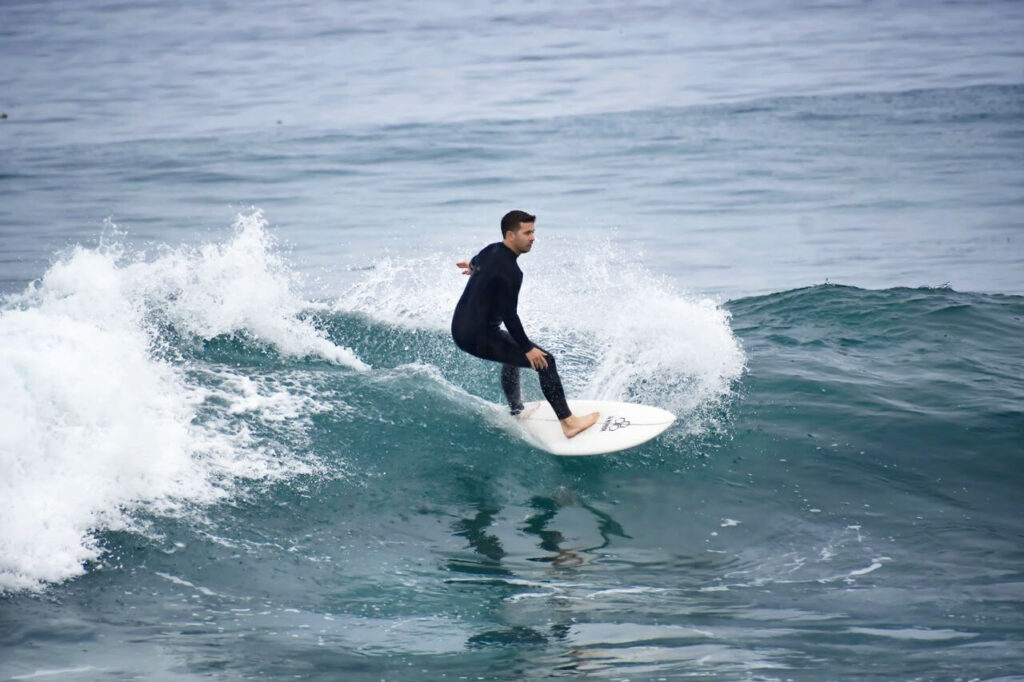
- Garnet Ave Breaks: The ocean-side breaks attract surfers who spend far more time paddling than riding waves.
- Local Courts: The beach volleyball courts scattered throughout the area host athletes doing a high volume of shoulder-dominant, rotation-heavy movement daily.
Each of these activities loads the spine and shoulder girdle differently, but they share a common thread: repetition without recovery. When the beach is ten minutes from home, it is easy to go out five or six days a week without ever giving your joints a real rest day. That steady, unbroken load is what turns ordinary sessions into specific injuries.
The Most Common Surf Injuries in North Pacific Beach
Surfing produces two injury categories more than any other: lower back strain from pop-ups and shoulder problems from paddling.
Lower back pain from pop-ups and wipeouts
Every pop-up compresses and extends your lumbar spine under load. When you do that dozens of times in a single session, the facet joints and supporting muscles in your low back accumulate stress. A wipeout that twists you sideways can acutely strain these same structures.
- The Symptom: A dull ache sitting just above the hips that worsens when sitting in a car or at a desk post-session.
- The Treatment: Care focuses on restoring lumbar spine joint mobility and easing muscle guarding. Targeted adjustments to the lower back and sacroiliac joints help restore movement, followed by an assessment of your pop-up mechanics to prevent recurrence.
Shoulder impingement from paddling volume
Paddling puts your shoulder in a position where the rotator cuff tendons pass through a narrow channel beneath the acromion bone. Doing that stroke hundreds of times in a session irritates the tendons.
- The Symptom: A pinching sensation when reaching overhead or sleeping on the affected side.
- The Treatment: Left untreated, impingement can progress to a partial rotator cuff tear. Early intervention focuses on reducing inflammation and improving shoulder joint mechanics before the tendon suffers structural damage.
Paddle Boarding and Kayak Injuries Around Crown Point Shores
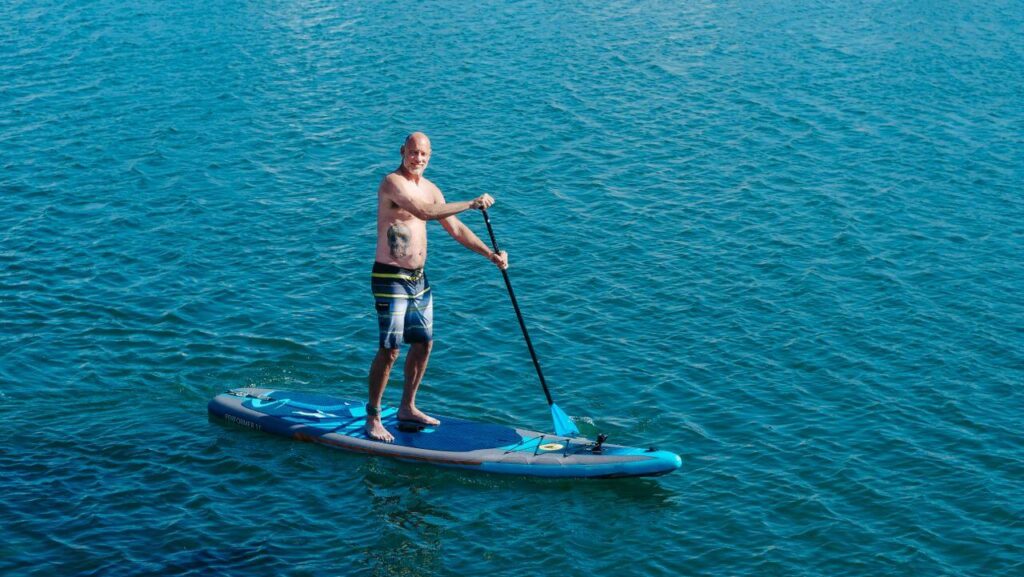
Stand-up paddleboarding (SUP) on the bayside loads the thoracic spine and shoulders differently than surfing. The following injuries show up most often in paddlers who train regularly on Mission Bay:
- Thoracic Joint Irritation: Rotation through the mid-back during each paddle stroke aggravates the small joints between your ribs and thoracic vertebrae, producing a sharp catch or ache between the shoulder blades.
- Shoulder Rotator Cuff Strain: SUP paddling maintains continuous tension on the rotator cuff throughout the workout, leading to cumulative strain.
- Wrist and Forearm Overuse: Gripping the paddle for long sessions creates forearm tension that can refer pain up into the elbow and shoulder—often mistaken for a purely shoulder-related problem.
Beach Volleyball Injuries Common in North PB
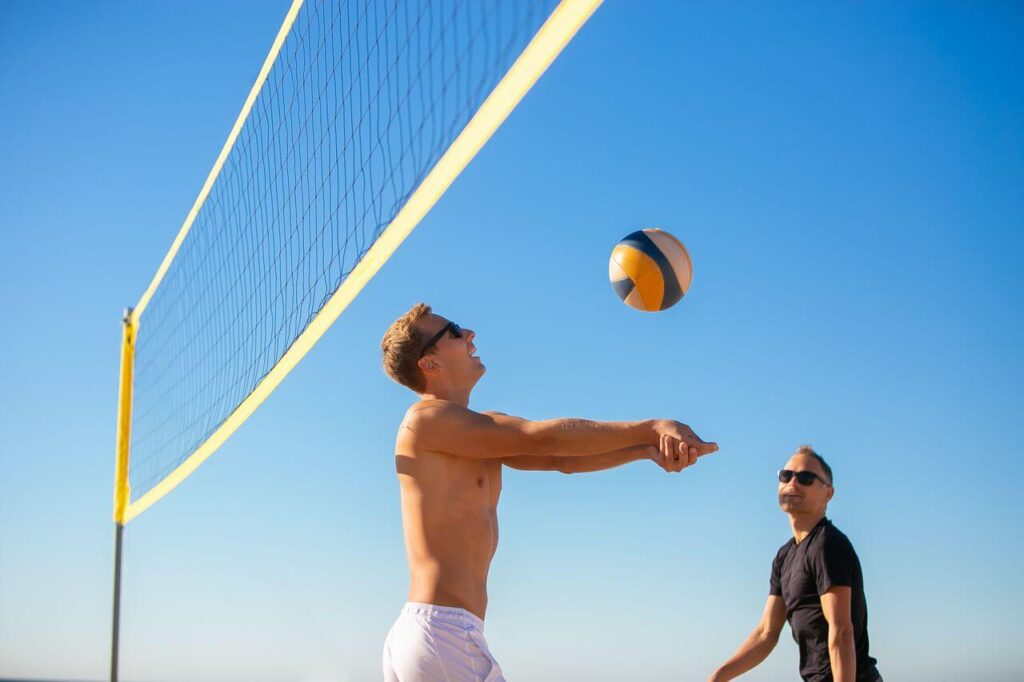
Beach volleyball is hard on the shoulders and lower back in ways distinct from water sports because the forces are faster and more explosive.
The spiking and serving motion demands a fast, powerful internal rotation of the shoulder, placing immense stress on the rotator cuff. Furthermore, absorbing landing forces on the sand can develop lower lumbar disc irritation, especially if hip mobility is limited.
Here’s a quick reference of the activity vs injury profile:
| Activity | Primary Injury Site | Injury Type | Main Cause |
| Surfing | Lower back, shoulder | Facet strain, impingement | Repetitive pop-ups, paddle volume |
| Stand-up paddleboarding | Mid-back, shoulder | Thoracic joint irritation, rotator cuff strain | Sustained rotation, grip fatigue |
| Beach volleyball | Shoulder, lumbar spine | Rotator cuff strain, disc irritation | Overhead striking, explosive jumping |
This table reflects the injury patterns I most commonly see in active adults playing recreational-to-competitive versions of each sport in the area.
What Back Pain Treatment Looks Like for Beach Athletes
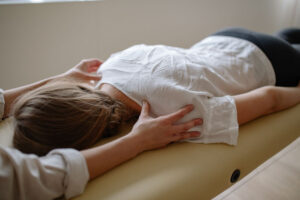
Back pain treatment for athletes is not the same as treating someone who sits at a desk all day. Your spine is already being asked to do a lot. In my practice, a typical care plan includes:
- Chiropractic Spinal Adjustments: Targeted adjustments to the lumbar, thoracic, or cervical spine to restore joint mobility restricted by repetitive loading.
- Shoulder and Soft Tissue Work: Muscle release techniques applied to the rotator cuff, posterior shoulder, and thoracic paraspinals.
- Movement Pattern Assessment: Analyzing how you paddle, pop up, or swing to fix the mechanical habits driving the wear and tear.
- Recovery Guidance: Practical advice on session frequency and warm-up routines to prevent a small setback from becoming a lost season.
When to See a Chiropractor in North Pacific Beach
You should seek care when pain changes how you move, not just when it becomes unbearable. The athletes who recover fastest come in early, when the injury is still an irritation.
Signs it is time to book an appointment:
- Pain that persists more than three days after a session.
- Pain that wakes you up at night.
- Loss of strength or sensation in your arm.
- Lower back pain that travels into the glutes or legs (a strong indicator of disc involvement requiring prompt conservative care).
The last two in particular warrant prompt attention, as symptoms that travel down a limb can point to disc involvement, which tends to respond well to early conservative care. If any of that sounds familiar, the sooner you get it looked at, the sooner you are back in the water.
Let’s Get You Back in the Water
Whether you caught a bad wipeout near Garnet Ave or overdid it on a Crown Point paddle, your injury has a recognizable pattern and a clear treatment approach.
If an injury isn’t settling, call my office at (619) 733-9737 or book online. Located in Bay Park, Taylor Duncan Chiropractic LLC operates on a one-on-one basis. You are never double-booked or rushed. Same-day and next-day appointments are often available, so you can get back out there faster.
Frequently Asked Questions
How do I find a chiropractor in North Pacific Beach who treats surf injuries?
To find a chiropractor in North Pacific Beach, look for a provider who specifically understands beach sports and active-lifestyle biomechanics. At my Bay Park office, I regularly work with surfers and paddlers from Crown Point to Garnet Ave, ensuring treatment matches your specific activity level.
Is lower back pain after surfing normal?
Lower back pain and soreness after a hard surfing session is normal, but pain that lasts more than two to three days, or returns after every session, is not. This usually points to a joint or muscle problem that requires care to fix the underlying mechanics, rather than just managing it week to week.
Can a chiropractor help with shoulder pain from paddleboarding?
Yes, a chiropractor can help with shoulder pain from paddleboarding. The rotator cuff strains and thoracic joint irritation that SUP paddlers develop respond very well to chiropractic adjustments combined with soft tissue work. The focus is on restoring mobility and addressing the repetitive stress pattern.
What is the difference between a rotator cuff strain and shoulder impingement?
A rotator cuff strain involves damage to the tendon or muscle fibers themselves, while shoulder impingement refers to the tendons being compressed inside the shoulder joint during movement. Both are common in water sports and can be present simultaneously.
How long does it take to recover from a surf-related back injury?
Recovery from a surf-related back injury depends on the type and severity, but most lumbar strains and facet joint irritations in active patients settle within two to six weeks of consistent chiropractic care. Athletes who seek early intervention almost always return to the water faster than those who try to simply “rest it out.”
Should I stop surfing or playing volleyball while I am being treated?
It depends on the severity. For mild to moderate injuries, modified activity is often encouraged to maintain fitness. For acute disc or rotator cuff damage, a short period of rest may be necessary. We will build a specific plan to keep you moving safely while you heal.