
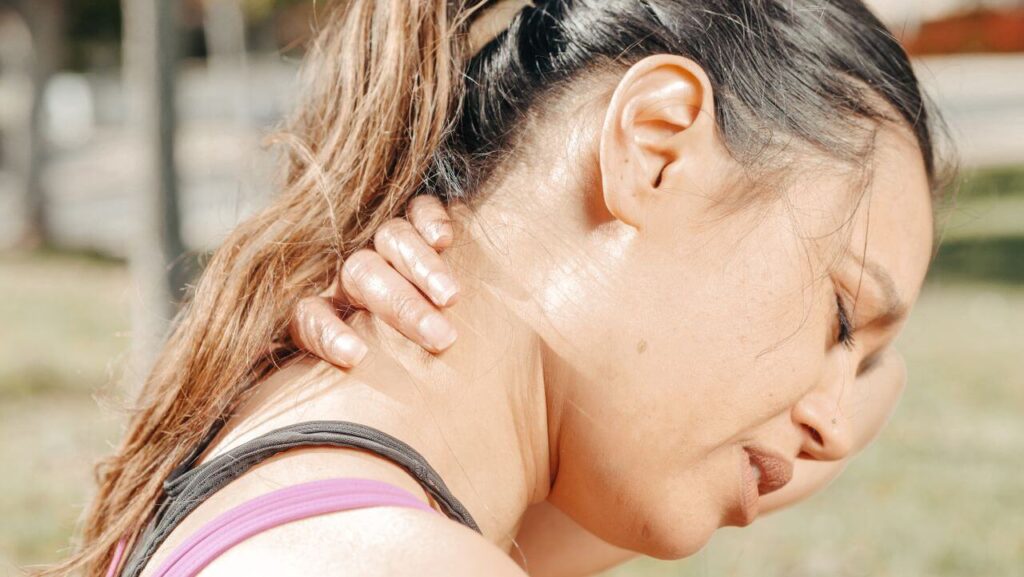
Feeling sore after a chiropractor visit is completely normal, and in most cases, it means your body is responding to treatment the way it should. I hear this question from patients across San Diego all the time, from Hillcrest to Pacific Beach, and my answer is almost always the same: what you’re feeling is not a warning sign.
That said, I understand how unsettling it can be to leave an adjustment feeling worse than when you walked in. You came in for relief, not more discomfort. The good news is that post-adjustment soreness is typically short-lived and is a sign that real change is happening in your body. A study published in the journal Spine found that 55% of patients report some reaction after spinal manipulation, most often mild local discomfort, and that about three-quarters of those reactions resolve within 24 hours.
Below, I’ll walk you through why this happens, what’s normal versus what deserves a follow-up call, and how to recover faster so you get the most out of your care.
Why You Feel Sore After a Chiropractic Adjustment
Post-adjustment soreness happens because chiropractic care moves joints and muscles that may not have been moving properly for a long time. Think of it like your first day back at the gym after a long break. You worked muscles that were tight and underused, and now they’re letting you know about it. During a spinal adjustment, I’m restoring motion to segments of your spine that have become restricted. The surrounding muscles, which have adapted to that restricted position, suddenly have to respond to a new range of motion.
This is a form of delayed-onset muscle soreness (DOMS), the same general response your body has after unfamiliar or intense exercise. Research on DOMS points to a combination of factors, including mild inflammation in the soft tissue, as your body repairs and adapts to the new demand. That mild ache you feel in your neck, mid-back, or lower back the next morning is a sign that the adaptation process is at work. It is neither damage nor a setback.
What Normal Soreness Feels Like
Normal soreness after chiropractic care feels like a dull ache or mild stiffness in the area that was adjusted, not sharp or stabbing pain. Here is a breakdown of what falls within the expected range, so you know what to watch for.
- Location: Soreness is typically at or near the adjusted area, such as the lower back, upper back, or neck, and may radiate slightly into surrounding muscles.
- Intensity: It should feel similar to post-workout muscle fatigue, not a sharp, shooting, or radiating pain that is new or worsening.
- Duration: Most patients feel back to normal within 24 to 48 hours. For first-time patients or those with chronic tension, it may last a bit longer.
- Timing: Soreness often shows up several hours after the visit or the following morning, which is consistent with how delayed-onset muscle soreness typically works.
When Soreness Might Mean Something Else
While soreness is expected, certain symptoms after a chiropractic adjustment deserve a phone call. The following table outlines the difference between normal post-adjustment soreness and symptoms that warrant a follow-up conversation.
| Normal Soreness | Contact Your Chiropractor |
| Dull ache near the adjusted area | Sharp, stabbing, or severe pain |
| Mild stiffness lasting 24 to 48 hours | Pain that gets worse over 48 hours |
| Fatigue or a feeling of heaviness | Numbness, tingling, or weakness in limbs |
| Slight headache after a neck adjustment | Severe headache, dizziness, or vision changes |
If anything in the right column applies to you, call your chiropractor, or call my office directly if you’re already a patient here. It’s always better to check in than to wait and wonder.
How to Recover Faster After Your Adjustment
There are several things you can do right after your visit to help your body adapt and reduce soreness. Recovery is not passive, and the steps you take in the first 24 hours can make a real difference in how you feel.
- Drink water: Staying hydrated after an adjustment helps your muscles flush out metabolic waste and supports the elasticity of spinal discs, which are largely water-based.
- Move gently: A short walk around your neighborhood, whether you’re in North Park, Mission Valley, or downtown San Diego, helps keep circulation going without overloading tissues that are adapting.
- Use ice, not heat: For the first 24 hours, ice is typically better than heat for reducing localized soreness. Apply it for 15 to 20 minutes at a time.
- Avoid strenuous activity: Give your body a window to settle. Intense exercise, heavy lifting, or prolonged sitting right after an adjustment can slow how quickly you feel better.
- Sleep on a supportive surface: Rest is when your body does most of its healing. A mattress that supports spinal alignment matters more on nights following an adjustment.
Why First-Time Patients Often Feel More Sore
First-time chiropractic patients tend to experience more soreness than returning patients because their bodies have not adapted to spinal manipulation yet. If you’ve been dealing with chronic back pain or neck stiffness for months or years, there is a significant amount of accumulated tension in the muscles, ligaments, and fascia surrounding your spine. That tissue hasn’t moved freely in a long time.
The first few adjustments are often the most intense in terms of post-visit soreness, and many patients in San Diego who come to me after years of desk work or long commutes on the 5 or the 15 notice this pattern clearly. By your third or fourth visit, the soreness window typically shortens considerably as your body learns how to respond to care.
How Often You Should Expect Soreness
As your care progresses, soreness after adjustments should become less frequent and less intense. Early in a care plan, especially if you’re being seen two to three times per week, mild soreness between visits is common and expected. Over time, as spinal mobility improves and the supporting muscles strengthen, most patients in my practice report they no longer feel sore after their sessions.
If soreness continues to be significant after six or more visits, that is worth discussing with me directly. It may signal that we need to adjust frequency, technique, or address a related soft-tissue issue alongside the spinal work.
What to Take Away From This
Soreness after your chiropractic visit is a normal part of how your body responds to care, not a sign that something is wrong. You now know what to expect in the days after an adjustment, when it’s worth a call instead of just waiting it out, and a few things you can do to feel better faster. If you’re weighing how a full care plan fits together, my posts on what to expect during your first chiropractic appointment fill in the rest of that picture.
Schedule Your Next Visit with Taylor Duncan Chiropractic
If you have questions specific to your situation or want to talk through what you’re experiencing between visits, I’m always happy to hear from you. Give my office a call at (619) 733-9737 or book online to schedule an appointment or ask a question before your next visit. I see one patient at a time, with no rotating rooms or double-booking, and same-day or next-day appointments are often available.
Frequently Asked Questions
Is it normal to feel sore after a chiropractor visit?
Yes, feeling sore after a chiropractor visit is normal and very common. The soreness you feel after a chiropractic adjustment is similar to post-workout muscle fatigue. It happens because your joints and surrounding muscles are responding to new movement patterns. For most patients in San Diego, this soreness fades within 24 to 48 hours.
How long does soreness last after a chiropractic adjustment?
Soreness after a chiropractic adjustment typically lasts between 24 and 48 hours for most patients I see in San Diego. First-time patients or those with long-standing tension may feel it a bit longer. If your soreness extends beyond 72 hours or gets worse instead of better, give me a call so we can talk it through.
Should I ice or use heat after a chiropractic adjustment?
Ice is generally the better choice for the first 24 hours after a chiropractic adjustment, which is what I recommend to my patients here in San Diego. Applying ice for 15 to 20 minutes at a time helps reduce localized muscle inflammation near the adjusted area. Heat can increase circulation and may worsen soreness if applied too soon after a session.
Why does my neck feel sore after a chiropractic neck adjustment?
Neck soreness after a chiropractic neck adjustment happens because the cervical spine muscles and ligaments are reacting to restored joint motion. The neck is a complex area with a high concentration of muscles and nerves, so it’s especially common to feel a dull ache or stiffness afterward. This typically resolves within a day or two, and it’s one of the questions I hear most often from neck pain patients here in San Diego.
Is it okay to exercise after a chiropractic adjustment?
Light movement like walking is fine and even helpful after a chiropractic adjustment, but strenuous exercise should be avoided for at least 24 hours. I often suggest patients take a short walk, maybe around Balboa Park or their own neighborhood, rather than jumping into a full workout. Intense physical activity right after an adjustment can overload tissues that are still adapting, which may increase soreness and slow your overall progress.
Why do I feel worse after my first chiropractic appointment?
Feeling worse after your first chiropractic appointment is one of the most common things new patients tell me here in San Diego. Your spine and muscles haven’t moved this way in a long time, so the initial adjustment triggers a healing response that can feel uncomfortable at first. Most patients notice a clear improvement by their second or third visit.
When should I be concerned about pain after a chiropractic adjustment in San Diego?
You should call my office if you experience sharp or severe pain after a chiropractic adjustment, pain that worsens over 48 hours, new numbness or tingling in your arms or legs, or significant dizziness. These symptoms are different from normal soreness and deserve a direct conversation before your next visit, whether you’re seeing me here in San Diego or another provider.